
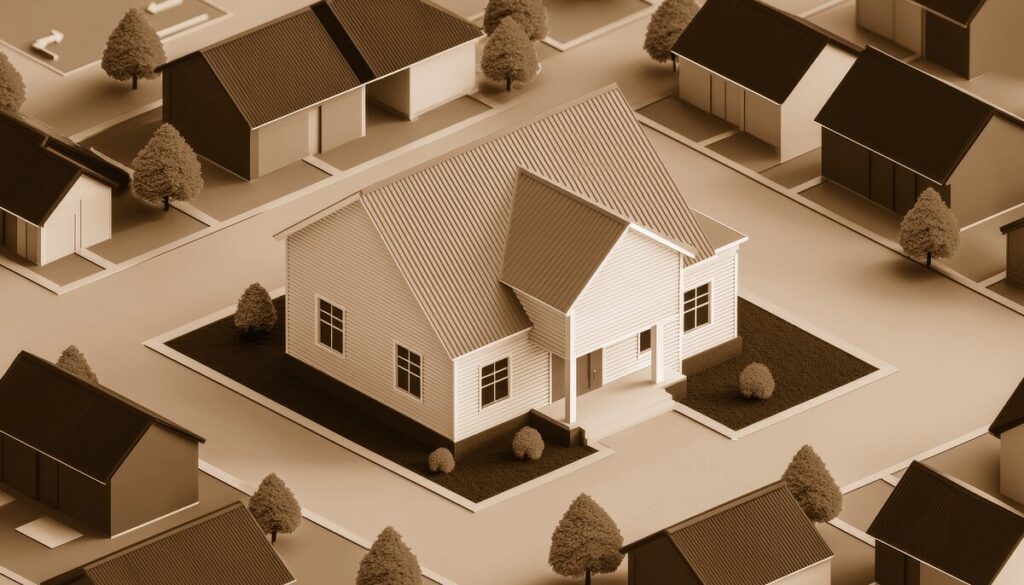
Nestled in the vibrant East Side of Wichita, the Brookhollow neighborhood is more than just a place to live—it’s a living tapestry of Wichita’s mid-century roots, suburban development, and resilient community spirit. Ask any longtime resident about Brookhollow, and you’ll hear stories of tree-lined streets, backyard barbecues, and neighbors who feel more like family. But to truly appreciate this corner of the city, you need to delve into its rich history, its subtle charms, and its enduring legacy as one of Wichita’s beloved neighborhoods.
The Origins of Brookhollow
Brookhollow’s story starts in the post-World War II era, a time when Wichita was expanding rapidly. During the late 1950s and early 1960s, as American families sought out peaceful, friendly suburbs away from the downtown bustle, the East Side presented ample opportunity. Developers eyed the picturesque terrain east of Edgemoor and south of Central Avenue, envisioning a neighborhood built around curving streets, gentle brooks, and wide-open green spaces.
The area was, and still is, defined by its proximity to Gypsum Creek, which meanders along the neighborhood’s eastern edge. This natural feature not only shaped the landscape but would also serve as inspiration for the neighborhood’s name: Brookhollow. The term evokes imagery of gentle streams (brooks) nestled in shallow valleys (hollows), reflecting both the area’s geography and its calm, inviting spirit.
Naming the Neighborhood
While early maps refer to the development as simply “East Meadow Addition,” residents quickly gravitated toward the more poetic “Brookhollow.” Locals wanted a name that would reflect both the natural beauty of the creek and the sense of belonging they felt within its gentle bends. It worked—the name Brookhollow today conjures visions of mature elms and maples arching over quiet streets such as Brookhollow Lane, Eastwood Drive, and Autumn Place, all nodding to the neighborhood’s bucolic beginnings.
Key Historical Milestones
Brookhollow blossomed alongside Wichita’s own boom years. As the city ushered in the “Air Capital” era, driven by aviation giants like Boeing and Cessna, families settled in Brookhollow drawn by affordable homes, modern schools, and easy transportation links via Central Avenue and Kellogg (U.S. 54).
Some milestones that have defined Brookhollow’s legacy include:
- The Development of Edgemoor Park: Just west of Brookhollow’s core lies Edgemoor Park, established in the 1960s. With its sprawling playground, tennis courts, and shady picnic areas, it quickly became a focal point for community gatherings and local sports leagues.
- The Opening of Brookhollow Shopping Center: Positioned at Central and Edgemoor, this modest commercial hub in the 1970s became a neighborhood anchor, providing groceries, family-owned diners, and the much-loved Brookhollow Pharmacy—a fixture until the early 2000s.
- School Growth: Brookhollow is served by Wichita’s USD 259 district, most notably Price-Harris Communications Magnet Elementary, nestled just south of Douglas on Edgemoor. For decades, these schools have not only educated local children but served as social and civic centers.
Notable Landmarks and Buildings
A stroll through Brookhollow reveals bits of mid-century charm and enduring Wichita history:
- Classic Ranch Homes: Many Brookhollow houses, especially along Pinecrest and Brookhollow Lane, are quintessential examples of mid-century ranch architecture, featuring low-slung roofs, oversized picture windows, and inviting front porches.
- The Bridges of Brookhollow: Several small but endearing pedestrian bridges cross Gypsum Creek, linking side streets and footpaths. They stand as reminders of the neighborhood’s seamless blend of nature and community.
- Edgemoor Recreation Center: Though just outside Brookhollow’s technical boundaries, this rec center is a landmark for generations—offering everything from youth basketball to pottery classes and annual community events.
The Evolution of a Neighborhood
Like all great neighborhoods, Brookhollow has embraced change while keeping its roots firmly planted in tradition. The 1980s and 1990s saw younger families moving in, breathing fresh life into the area. Community associations helped organize block parties, creek cleanup days, and summer ice cream socials, fortifying a sense of belonging.
Recent decades have seen careful improvements—modern windows, updated kitchens, and energy-saving features—while preserving the original character of Brookhollow’s homes. The neighborhood’s central location, with quick access to Old Town nightlife and the amenities of Bradley Fair, is particularly appealing to new residents and young professionals. Despite this renewal, Brookhollow retains a warm, welcoming ambiance—where joggers wave hello on Rosewood Street and neighborhood kids splash in Edgemoor Park’s spray pad on hot July afternoons.
Enduring Heritage and Community Pride
Ask anyone who grew up (or still lives) in Brookhollow what makes it special, and you’ll likely hear some common threads:
- Neighborliness: From annual holiday light displays to spontaneous driveway conversations, Brookhollow is known for its friendly, tight-knit ethos.
- Natural Beauty: The ever-present shade of mature elms, the sound of Gypsum Creek at dawn, and the flaming maples in autumn make every walk a delight.
- Tradition: Whether it’s the annual Fourth of July bike parade or the local food drive each Thanksgiving, Brookhollow takes pride in the little rituals that turn neighbors into friends.
A Place for the Future
While Wichita continues to grow and evolve, the heart of Brookhollow remains constant—a neighborhood where heritage, family, and community are ever cherished. Its quiet streets, storied homes, and welcoming green spaces stand as a testament to the generations who have called it home—and those still to come.
So next time you find yourself near Central and Edgemoor, take a detour down one of Brookhollow’s shaded lanes. Listen for the laughter from backyard barbeques or the rustle of a Kansas wind through tall maple branches. There’s an undeniable magic to this corner of Wichita—a place shaped by history, anchored in community, and forever welcoming to all who wander in.